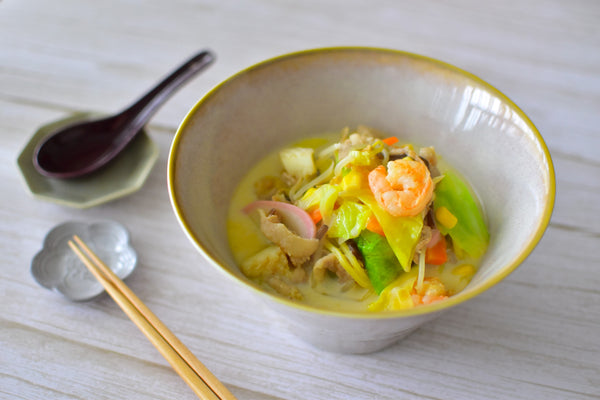
Champon is a regional cuisine from Nagasaki Prefecture and a widely popular specialty throughout Japan. It features a rich, milky white broth with champon noodles, vegetables, meat, and seafood all cooked together in a single pot.
At first glance, you might assume that champon is similar to ramen, but that is not entirely accurate. The key differences lie in the cooking process and the type of noodles used.
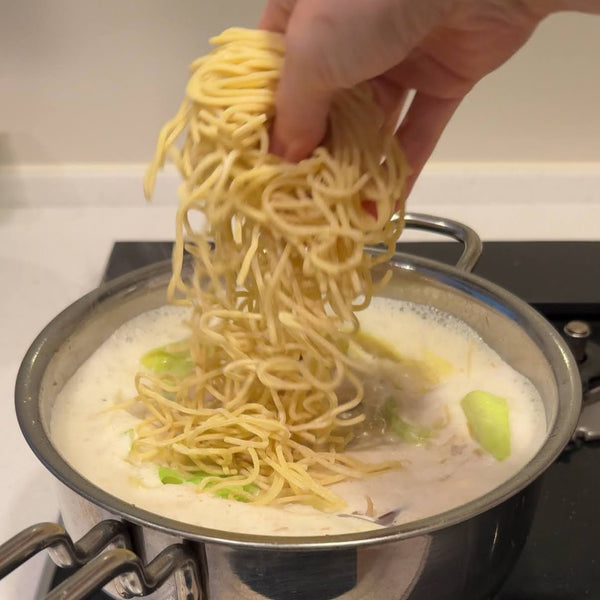
Unlike ramen, where the noodles are boiled separately and drained before being combined with broth prepared in a different pot, champon noodles are cooked directly in the broth. This allows them to absorb more flavor and results in a more integrated taste. In addition, the noodles are typically chewier and springier than ramen noodles.
This texture comes from a special alkaline mineral water used in traditional champon noodles called toaku (唐灰汁), a historical counterpart to kansui, which is a regulated food additive commonly used in ramen noodles.
Toaku was once a crucial ingredient that defined the unique texture, color, taste, and flavor of champon noodles. Today, however, only a few noodle makers still use toaku, as producing noodles with it requires careful handling and specific qualifications due to its caustic nature and the presence of chemical substances such as sodium carbonate and potassium carbonate.
The signature milky white broth is typically made from a base of tonkotsu (pork bone) and chicken broth. This base then combines with the umami extracted from the various ingredients cooked together, resulting in a rich and deeply flavorful soup. Since preparing tonkotsu and chicken broth from scratch at home can be time-consuming, many home cooks opt for simplified versions.
In this recipe, I introduce an easy and quick method using milk and umami-rich seasonings to recreate the creamy, flavorful champon broth, so be sure to check it out below.
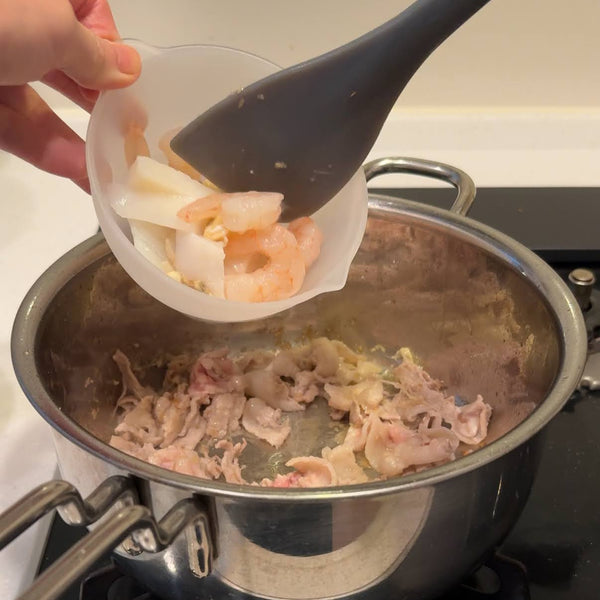
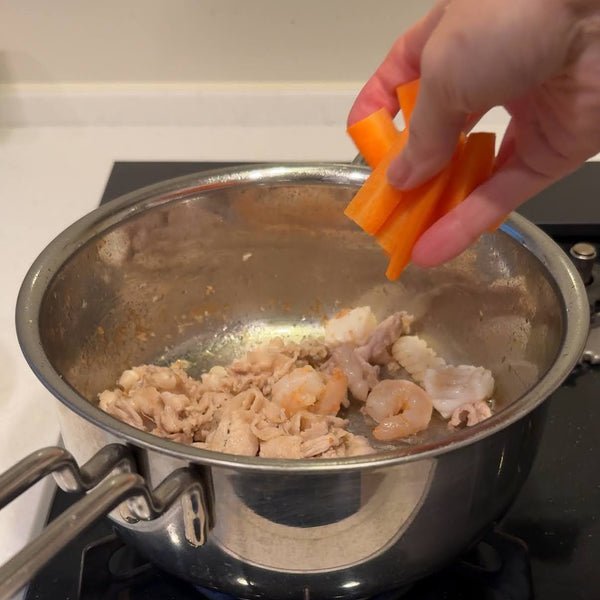
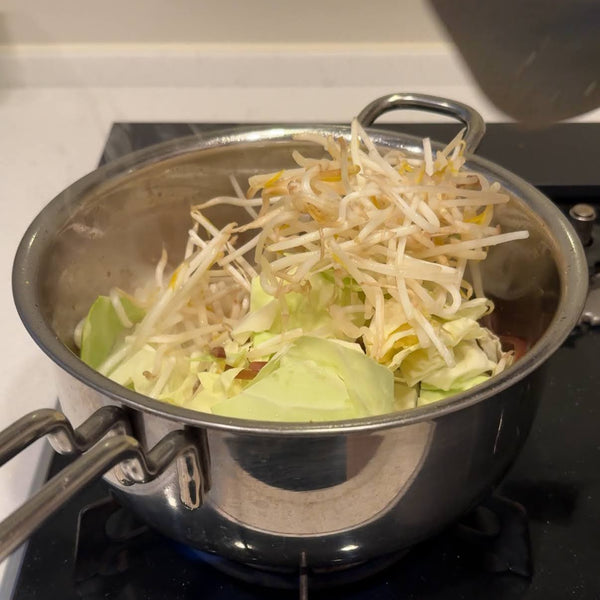
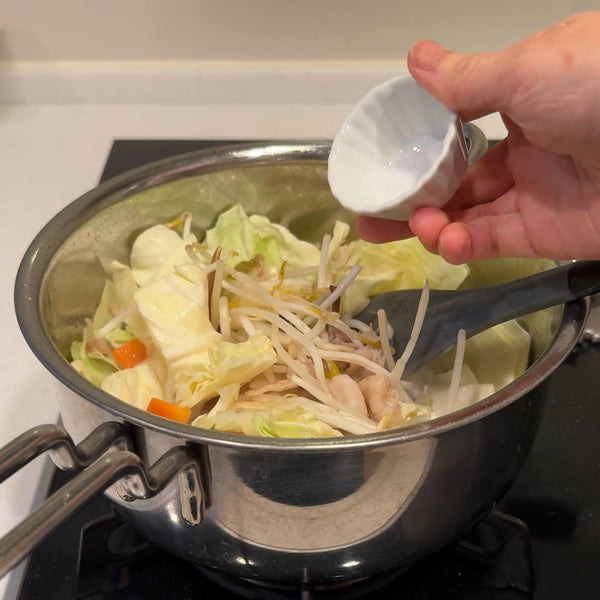
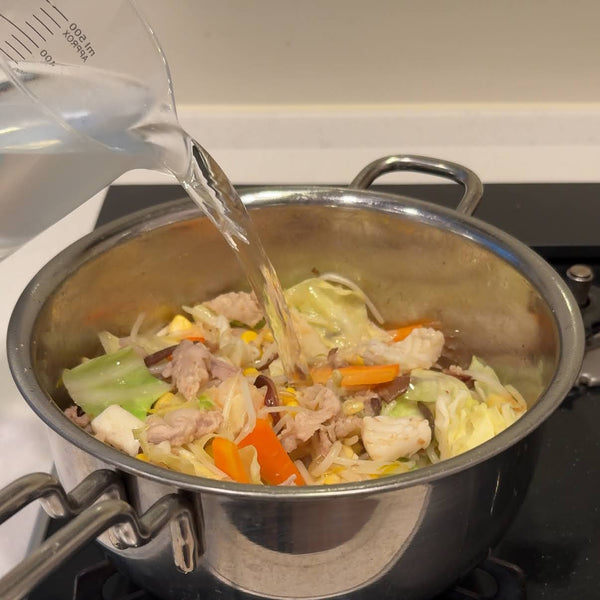
Aside from preparing the broth, champon is relatively straightforward to cook. First, you stir-fry ingredients such as pork, seafood, and vegetables. Then, you add the broth to the same pot. Once the broth comes to a boil, the champon noodles are added and simmered until fully cooked.
This one-pot cooking method reflects one theory behind the dish’s name, “champon,” which is believed to derive from a Portuguese word meaning “to mix” or “to combine,” although there are other theories regarding its origin.
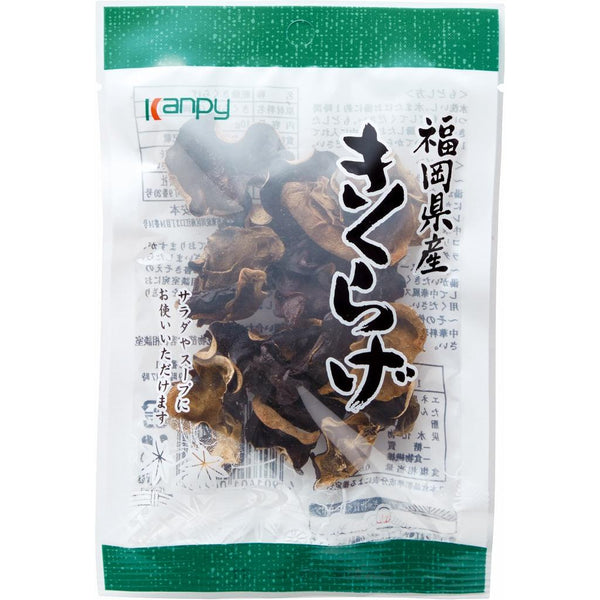
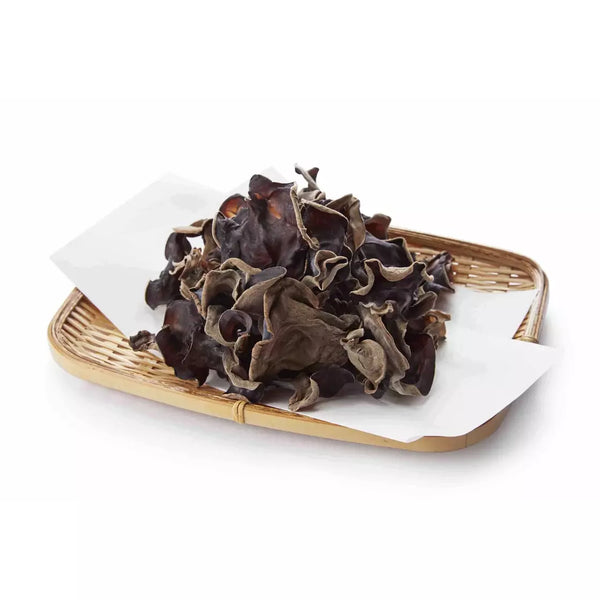
As mentioned earlier, the ingredients used in champon are quite varied, which is part of what makes this dish so appealing. Common ingredients include sliced pork belly, shrimp, squid, cabbage, Chinese cabbage, bean sprouts, carrot, Japanese leek, onion, wood ear mushroom, and fish cakes such as kamaboko and naruto.
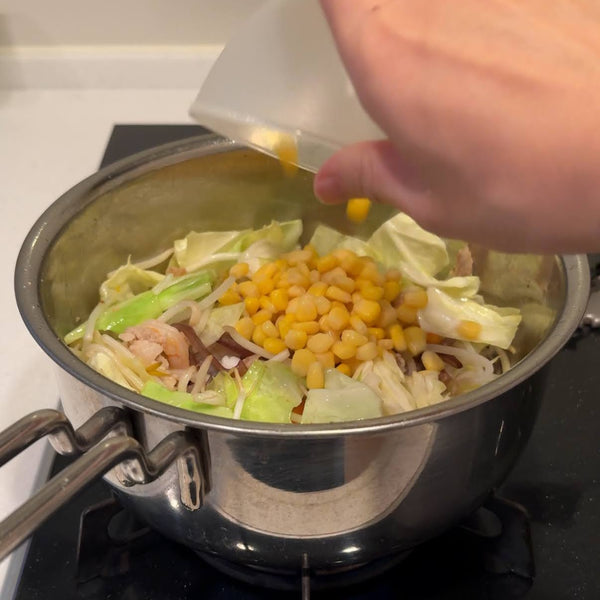
There are also many popular variations depending on preference and availability. Chinese chives, spinach, mushrooms, corn, oysters, clams, scallops, or chicken are often added to customize the dish. Since champon is a versatile and casual meal, feel free to use any ingredients you like or make use of leftovers from your refrigerator. If you want to prepare it in advance, complete all steps up to the noodle-simmering stage. When ready to serve, simply add the champon noodles and simmer until cooked. In just a few minutes, you will have a hot, hearty bowl of champon ready to enjoy.
Enjoy freshly made champon at home during the colder seasons, and feel free to explore our other winter noodle soup recipes, such as tantanmen ramen and tomato ramen.
Instructions
1) Gather the Ingredients
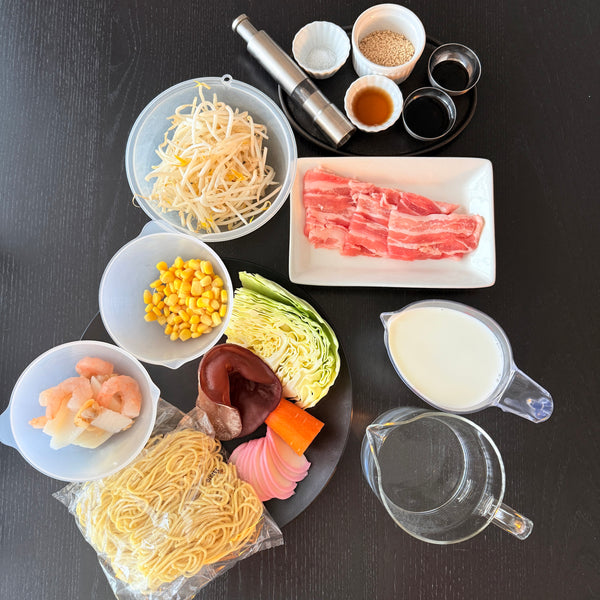
2) Cut the Ingredients
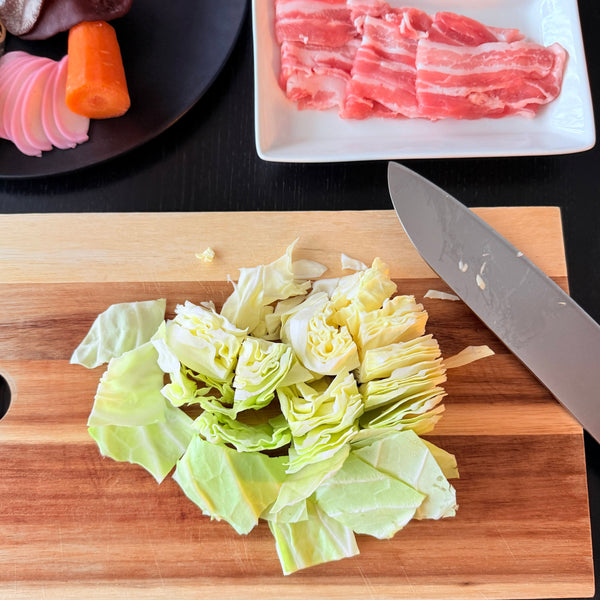
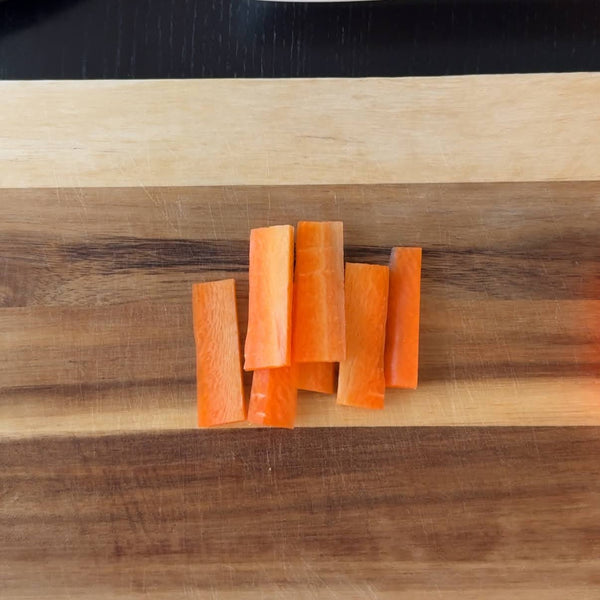
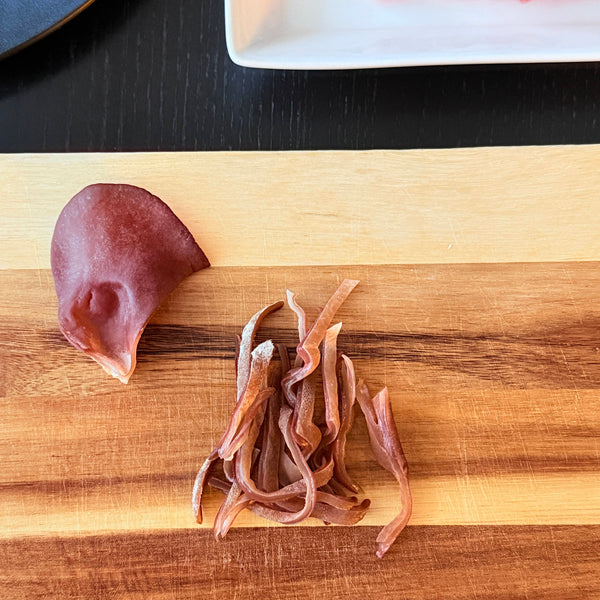
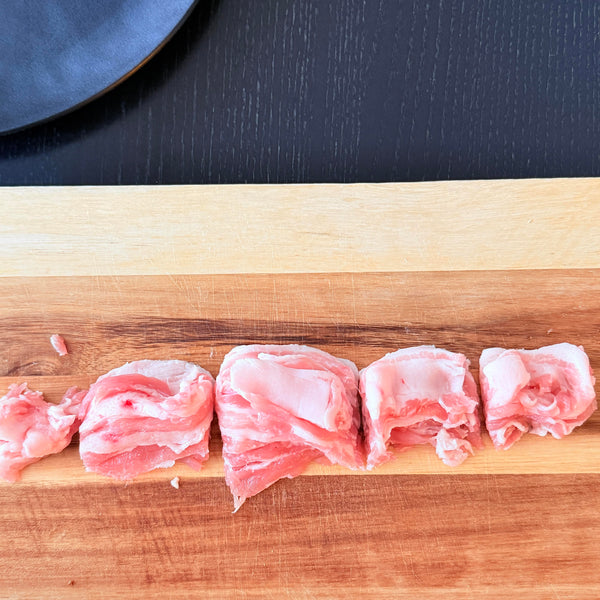
Expert's Tip
3) Stir-Fry the Ingredients
4) Prepare the Base Broth
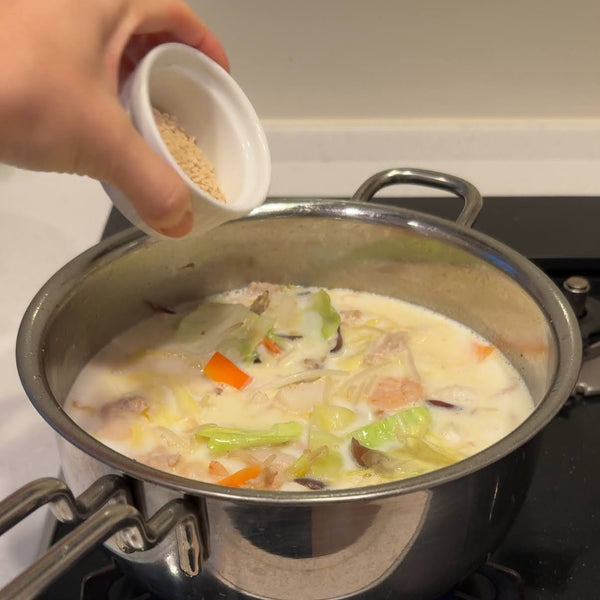
5) Add the Champon Noodles
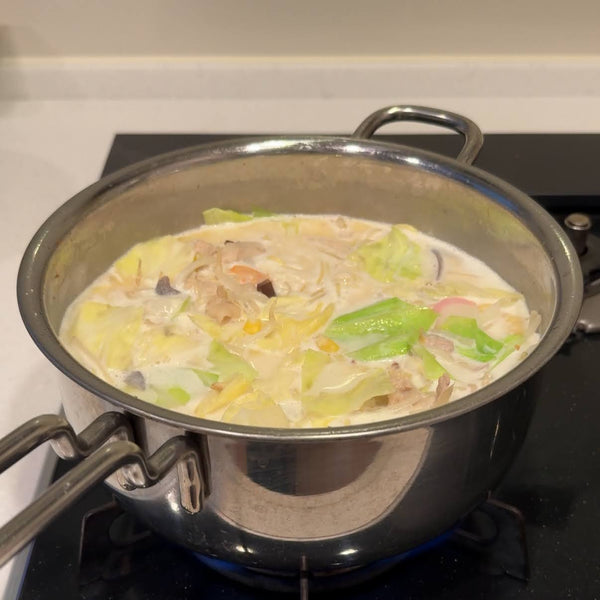
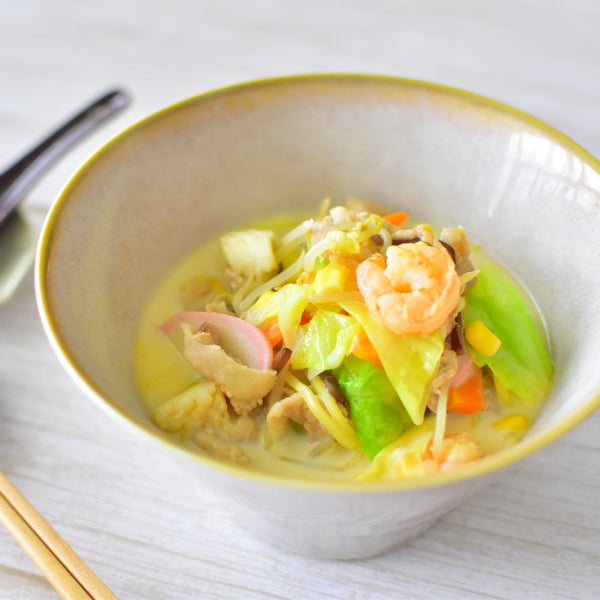
6) Serve hot & Enjoy!